Nutri.info : votre guide alimentation !
Régimes, conseils diététiques, sports, astuces cuisine,
rééducation alimentaire…
L’alimentation ? La base d’une bonne santé !
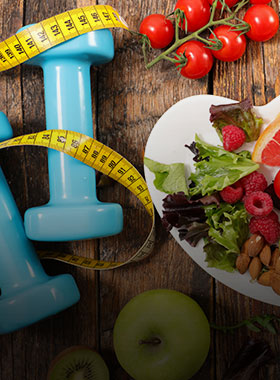
L’alimentation du sportif

Bien manger
pour bien
grandir

Prévention de l’obésité
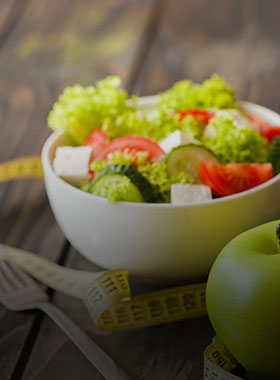
Des régimes adaptés
Qu’est-ce que la nutrition ?

Principaux axes
Il s’agit aussi d’une science pluridisciplinaire composée de 2 grands axes : l’étude des processus métaboliques et l’analyse du comportement alimentaire.

Définition de la nutrition
La nutrition est un terme d’origine latine « nutrire » ou nourrir. Il s’agit de tous les processus permettant de transformer des aliments afin d’assurer leur fonctionnement.

Alimentation saine
Prendre en compte la balance énergétique, les protéines, lipides, glucides, importance des fibres, vitamines et minéraux.

Recommandations
Les règles de base pour affiner sa silhouette consistent à réduire de manière modérée les apports caloriques tels que les matières grasses, sucre rapide.
Conseils pour perdre du poids
Les personnes qui souhaitent perdre du poids peuvent le faire en suivant un régime équilibré et en pratiquant des activités physiques comme une marche quotidienne ou un peu de natation. Il est aussi important de ne pas sauter de repas, privilégier un copieux petit-déjeuner, éviter autant que possible le grignotage entre les repas. En cas de fringale, buvez de préférence un grand verre d’eau, du café ou un thé sans sucre. À chaque repas, manger des féculents qui apportent de l’énergie nécessaire à l’organisme et procurent un sentiment de satiété.
Éviter les boissons gazeuses sucrées
Ne plus boire de l’alcool et de la bière
Manger des viandes maigres, volailles, poissons et crustacés
Manger beaucoup de légumes crus, cuits ou en potage
Pour plus d’informations, consultez objectif-minceur.fr et imedicale.fr
Sur nutri.info, informez-vous sur les valeurs nutritionnelles des aliments que vous consommez : calories, lipides, glucides…